Why Coaches Need Personal Websites to Grow Their Brand

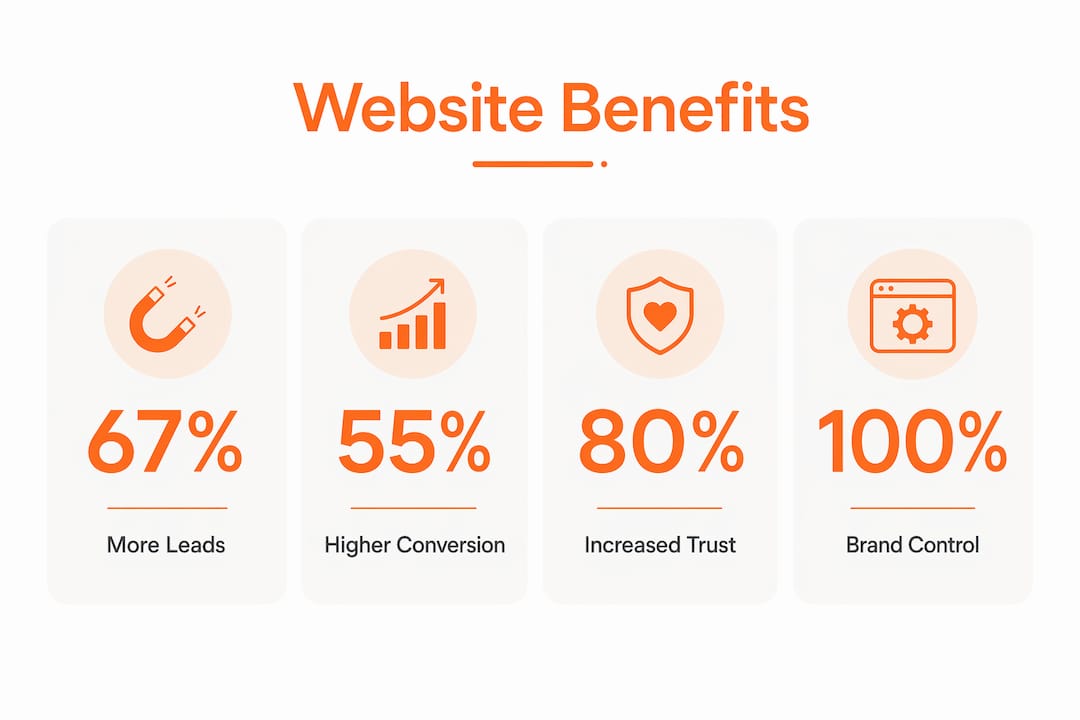
A personal website is the single most important digital asset a coach or online course creator can own. While social media profiles and directory listings have their place, they cannot replicate what a dedicated website does: give you full control over how potential clients find you, experience your brand, and decide to book with you. Over 80% of clients research a coach online before booking, which means your website is often the first real conversation you have with a prospect. If that conversation happens on someone else's platform, you are playing by their rules.
Why coaches need personal websites to stand out online
Visibility is not just about being found. It is about being found by the right people, at the right moment, with a message that resonates. A directory profile on a coaching marketplace puts you in a lineup next to dozens of competitors, all offering similar services, with no room to differentiate your voice, your method, or your results.
A personal website changes that equation entirely. When you own your site, you control the SEO strategy, the content, and the conversion path. Targeting niche and local keywords relevant to your specialty, such as "executive burnout coach for women in tech" or "faith-based life coach in Austin," pulls in qualified traffic that directories simply cannot capture. These are people actively searching for exactly what you offer.
Here is what a personal website gives you that no directory or social profile can match:
- Organic search presence. Google indexes your pages and blog posts, building traffic over time without ongoing ad spend.
- Content authority. A blog lets you demonstrate expertise on topics your ideal clients are already searching for.
- Brand differentiation. Your design, copy, and story are yours alone. No algorithm decides how your profile looks.
- Lead ownership. Every email address captured on your site belongs to you, not to a platform that can change its terms overnight.
- Long-term compounding traffic. Coaches who maintain active blogs generate 67% more monthly leads than those without one. That gap widens every month you publish.
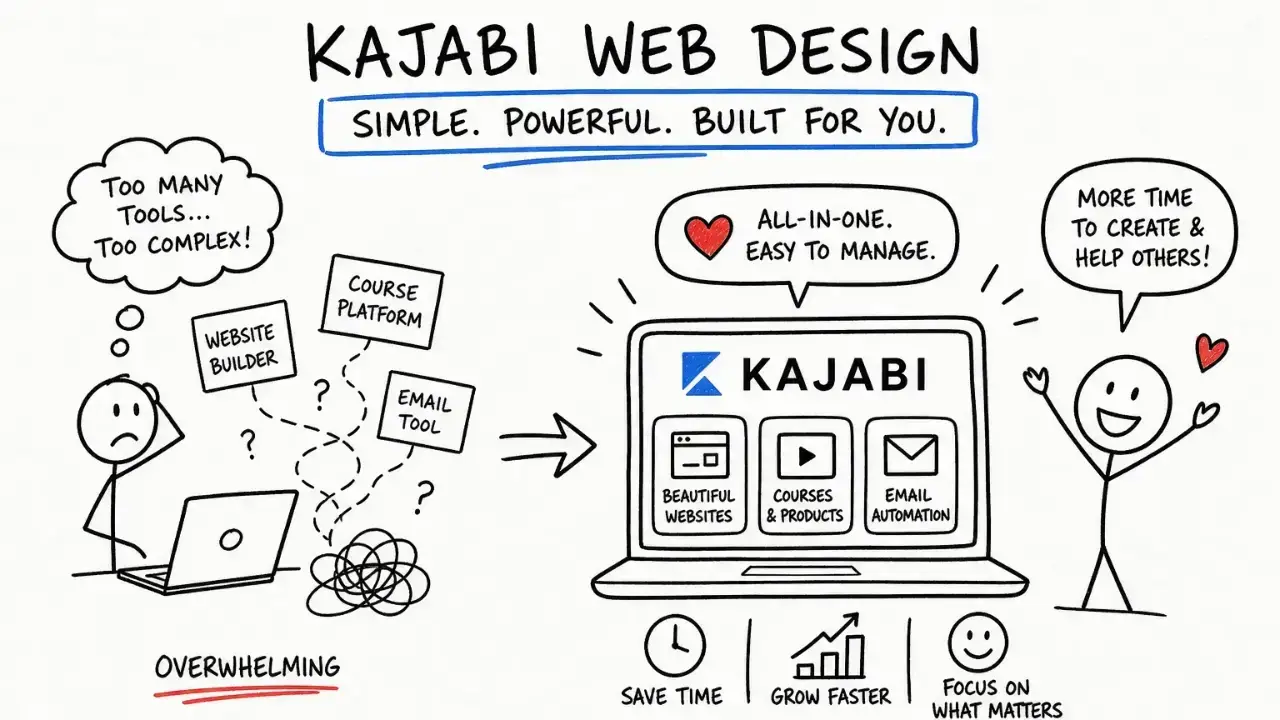
The SEO benefit alone justifies building a website early. Platforms like Kajabi let you build a site with built-in blogging, landing pages, and SEO tools, so you are not managing five separate systems. For coaches serious about improving search rankings, a well-structured website is the foundation everything else is built on.
How personal branding on your coaching website builds real trust

Trust is the primary deciding factor in a client's choice of coach. A potential client might discover you on Instagram, but they will decide whether to hire you based on what they find when they visit your website. That is where personal branding does its deepest work.
Personal branding in this context means more than a logo and a color palette. It means communicating who you are, what you believe, and why your approach works, in a way that makes the right clients feel immediately understood. Authentic, consistent messaging that clearly communicates your values and expertise builds stronger emotional loyalty in clients than any ad campaign. That loyalty translates directly into referrals, renewals, and word-of-mouth growth.
Your website is where that authenticity lives. A well-written About page tells your story in your words. Client testimonials and case study videos show real results from real people. A clear articulation of your coaching philosophy signals to prospects whether you are the right fit before they ever get on a call with you. This pre-qualification shortens your sales cycle considerably because clients arrive already convinced.
Pro Tip: Record a short 60-to-90-second welcome video for your homepage. Coaches who include a personal video on their site report faster trust-building with new visitors because it lets prospects hear your voice and see your energy before committing to a call.
Social media can help people discover your coaching business, while your website gives them a central place to explore your services, learn about your approach, and take the next step. Use the two together: share useful content on social platforms, then guide interested visitors to a clear service page, email signup, or booking page on your own domain. This gives your audience a consistent way to find you as social platforms and their algorithms change.
What features your coaching website needs to convert visitors into clients
A coaching website that sits quietly in a corner and looks pretty is not doing its job. The goal is conversion: turning a curious visitor into a booked client. That requires specific pages, specific tools, and a clear path forward at every step.
A complete coaching website needs six core pages, each serving a distinct role in the client acquisition funnel:
- Home. Your hook, your promise, and your primary call to action. Visitors should know within five seconds who you help and how.
- About. Your story, credentials, and coaching philosophy. This is where trust is built or lost.
- Services. A clear breakdown of your offers, formats, and pricing. Ambiguity here kills conversions.
- Booking. A frictionless scheduling page integrated with your calendar. Every extra click costs you a client.
- Blog. Your content hub for SEO, authority-building, and nurturing prospects who are not ready to buy yet.
- Privacy Policy. A legal requirement for any site collecting data, and a trust signal for privacy-conscious clients.
Beyond page structure, the tools you integrate matter enormously. Optimized landing pages for coaching services generate 55% more leads compared to generic pages. That number reflects the power of specificity: a landing page built around one offer, one audience, and one call to action outperforms a general services page every time.
Here is a quick comparison of what a basic coaching website delivers versus a conversion-focused one:
| Feature | Basic website | Conversion-focused website |
|---|---|---|
| Homepage | General welcome message | Clear promise + primary CTA above the fold |
| Services page | List of offerings | Offer-specific landing pages with testimonials |
| Booking | Contact form | Integrated scheduler with automated confirmation |
| Blog | Occasional posts | Consistent SEO-targeted content calendar |
| Lead capture | None | Opt-in with a free resource or workshop |
For coaches using Kajabi, all of these features live in one platform. You can explore essential website features that make the biggest difference for client conversion, and see how real coaches have structured their sites for results.
How your website becomes an operational hub, not just a marketing tool
Most coaches think of their website as a marketing asset. The coaches who scale fastest treat it as an operational hub. The difference is significant.
When your website integrates booking, payment processing, and client intake forms, the entire onboarding experience runs automatically. A prospective client finds your site, reads your About page, watches your video, clicks "Book a Call," selects a time, pays a deposit, and receives a welcome email with their intake form, all without you lifting a finger. Integrated client management reduces new client admin overhead by 60 to 80%, which means fewer drop-offs and more time spent actually coaching.
The operational benefits of a well-built coaching website include:
- Automated scheduling. Tools like Calendly or Kajabi's native scheduler eliminate back-and-forth emails and reduce no-shows with automated reminders.
- Online payment processing. Stripe integration means clients pay at the point of booking, protecting your time and cash flow.
- Digital intake forms. Clients complete onboarding paperwork before the first session, so you arrive prepared and they feel taken care of.
- Email automation. Welcome sequences, session reminders, and follow-up emails run on autopilot, keeping your client relationships warm without manual effort.
Pro Tip: Set up a post-booking automation that sends new clients a welcome video, their intake form, and a resource relevant to their goals. This single workflow dramatically reduces first-session anxiety and positions you as a professional from day one.
Owning your digital footprint through a website also protects you from the volatility of social media platforms. When Instagram changes its algorithm or a platform shuts down, coaches with websites retain their audience, their leads, and their revenue. Coaches without websites start over.
Key takeaways
A personal website is the non-negotiable foundation for coaches who want to attract clients consistently, build lasting credibility, and run a business that does not depend on borrowed platforms.
| Point | Details |
|---|---|
| Visibility through SEO | Targeting niche keywords on your website attracts qualified clients that directories cannot reach. |
| Trust through personal branding | Authentic storytelling, testimonials, and video build client confidence before the first call. |
| Conversion through structure | Six core pages and optimized landing pages turn visitors into booked clients systematically. |
| Operational efficiency | Integrated booking, payment, and intake forms reduce admin by up to 80% and prevent client drop-offs. |
| Owned digital presence | A website protects your business from algorithm changes and platform shutdowns that erase social media work. |
What I have learned from watching coaches build (and avoid) their websites
I have worked with enough coaches to see a clear pattern. The ones who delay building their website because they are "not ready" or "still figuring out their niche" are the same ones who, two years later, are still relying on referrals and hoping their Instagram reach holds. The ones who build early, even imperfectly, compound their visibility and credibility month over month.
The most common objection I hear is that social media is enough. It is not. Social media is a megaphone. Your website is the room people walk into after they hear you. If that room does not exist, or if it looks like every other coach's template, you lose the client at the moment they were most ready to say yes.
What I tell every coach I work with: start simpler than you think you need to, but build it on a platform that can grow with you. A five-page Kajabi site with clear messaging, a booking integration, and one lead magnet will outperform a gorgeous but static website with no conversion path. The web design principles that actually move the needle are about clarity and flow, not complexity.
The other thing I have seen consistently: coaches who invest in their website early treat their business more seriously. The website becomes a commitment device. It signals to you, and to your market, that you are here and you are real.
Ready to build a coaching website that actually works for you?
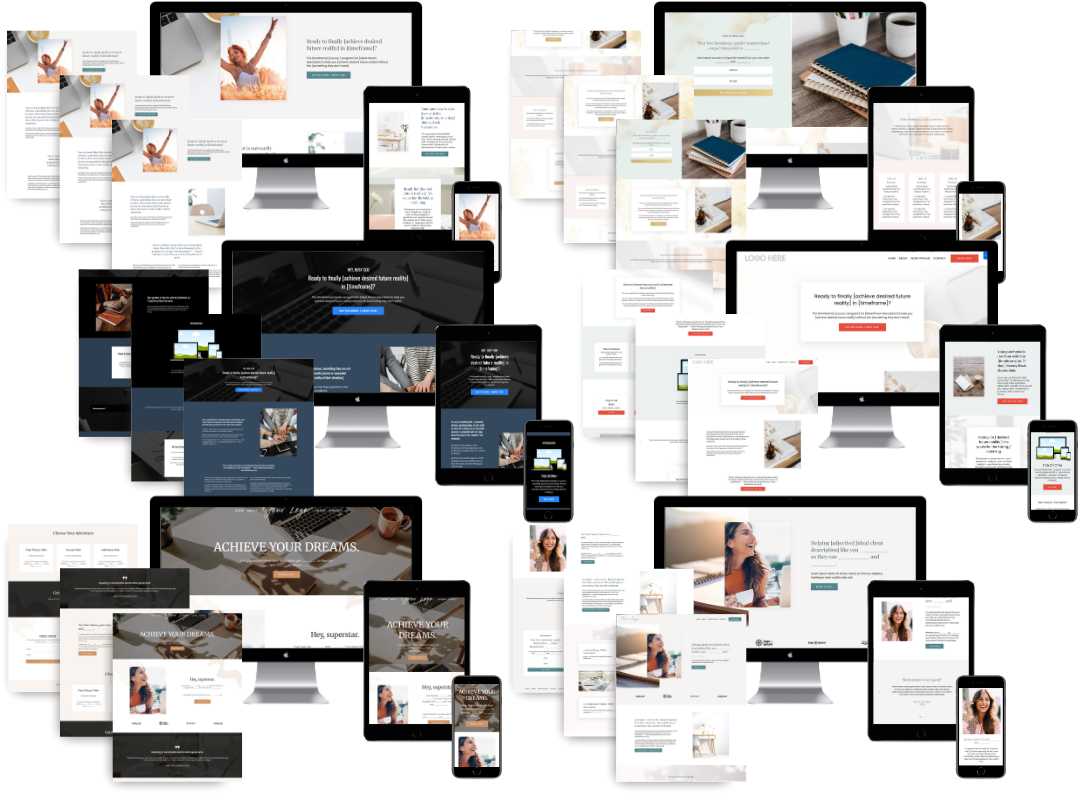
If you are a coach or course creator who knows your website should be doing more, Sierra Lin Design builds custom Kajabi websites designed specifically for coaches who want to attract clients, not just look good online. Every site is built with your brand, your client flows, and your growth goals in mind. No cookie-cutter templates, no tech headaches, and no guessing about what converts. You can explore the custom Kajabi design services built for coaches, or grab the free Kajabi templates to see what a conversion-focused coaching site looks like from the inside.
FAQ
Why do coaches need personal websites instead of just social media?
Social media platforms are top-of-funnel visibility tools, but they cannot replace the trust-building, lead capture, and client ownership that a personal website provides. Algorithm changes can eliminate your reach overnight, while your website remains a stable, owned asset.
How does a coaching website help attract more clients?
Coaches with active blogs generate 67% more leads monthly, and optimized landing pages increase lead generation by 55%. A website with clear SEO targeting and a structured conversion path consistently brings in qualified prospects without ongoing ad spend.
What pages does a coaching website need?
A coaching website needs six core pages: Home, About, Services, Booking, Blog, and Privacy Policy. Each page serves a specific role in guiding a visitor from discovery to booking.
Should coaches use Kajabi for their website?
Kajabi is one of the strongest platforms for coaches because it combines website hosting, blogging, course delivery, email automation, and payment processing in one place. This eliminates the need to stitch together multiple tools and keeps your client workflows running without manual effort.
How long does it take to see results from a coaching website?
SEO results typically build over three to six months as your content indexes and gains authority. Conversion improvements from booking integrations and optimized landing pages can show results within weeks of launching, particularly when paired with a consistent content strategy.
Recommended
 Sierra Janisse · Founder of Sierra Lin Design
Sierra Janisse is a verified Kajabi Expert who helps online business owners build profitable websites on Kajabi. From SEO and copywriting to website design, branding, automations and funnel strategy, she is the go-to expert for Kajabi users who want to attract more clients and customers with their websites.

🚨Get the FREE Checklist
Skip the Kajabi tears—Swipe the free Website Checklist & Funnel Map
Exactly what should go where on your Kajabi site to maximize leads.